

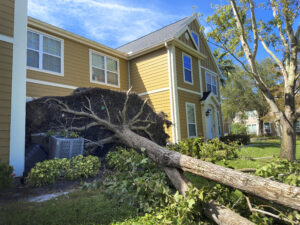
 Unexpected crises – a natural tragedy, prolonged power outage, or emergency maintenance – can cause major disruptions for rental properties. For property owners, these events can generate property damage, renter displacement, and costly repairs. A crisis could cause the devastating loss of renters’ residences, belongings, and more. This is the reason why it is critical to have a comprehensive crisis management strategy.
Even though a crisis cannot be prevented, being prepared can help minimize damage and expenditures, ensure tenant safety, and expedite recovery. Here are our key strategies that property managers and owners can use to prepare for extreme events – and beyond.
Conduct Effective Risk Assessments
The initial step in preparing for effective crisis management is identifying your rental property’s potential vulnerabilities. The ideal way to accomplish this is through regular property inspections.
For example, these inspections assessed structural weaknesses in the roof, windows, foundation, and main systems. A key best practice for property management is to create and employ a checklist specific to seasonal risks in your neighborhood and ways to evaluate and prepare your property to weather the storms.
Develop an Emergency Response Plan
Another critical element of effective crisis management is to have a robust emergency preparedness plan in place. The benefit of a well-thought-out plan is that it guarantees everyone knows what to do before, during, and after a crisis. As part of your proposal, specify evacuation routes, emergency contacts, and safety protocols for your renters, and keep a copy in your records. Teach your residents how to shut off utilities like gas and water in emergencies, and guarantee that the property is stocked with safety essentials such as fire extinguishers, medical equipment, and so forth. Thorough planning can go a long way toward keeping your property and your tenants safe in a crisis.
Review and Update Your Insurance Coverage
One of the ideal tactics to protect your rental property in a crisis is to have adequate insurance. Actually, having the right coverage can be the deciding factor between an unrecoverable loss and a smooth recovery. It is critical to review your insurance coverage yearly to ensure that it is updated with any property updates or changes. Furthermore, you should have appropriate coverage for natural disasters common in your area, including flood protection. You may need extra insurance to ensure you have all the coverage to protect your property during a catastrophe.
Simultaneously, it’s critical to require your renters to carry their own renter’s insurance policy. Your property insurance will not provide coverage for their personal belongings, and a renter’s insurance policy will also give additional liability protection.
Effective Communication with Residents
In a crisis situation, transparency is vital. In addition to guaranteeing that your residents are knowledgeable, it can also help reduce confusion and chaos when under stress. As a property manager or owner, it is advisable to set up a communication system for your tenants that facilitates mutual communication. For illustration, you could utilize an online messaging platform, email, or text notifications to interact with your residents and give them the necessary information to keep you aware.
Provide frequent updates and reminders about your emergency plan and procedures during the crisis. During the catastrophe, retain open contact to ensure your renter’s safety, arrange maintenance, and find temporary housing if needed.
Prepare a Post-Crisis Recovery Strategy
Being ready to act after a crisis should also be a critical part of your management plan. Taking prompt answers after a crisis can help prevent further damage and assure your renter’s safety. Quickly inspect your property and assess the damage after you have attended to your renter. It may be useful to engage the services of a professional to complete this step. Upon knowing whether the property is habitable, create a prioritized list of urgent repairs to solve quickly. This should cover any damage to structural elements, plumbing and electrical systems, and other major systems. Communicate with your insurance company and reputable contractors to ensure that the repairs are executed appropriately. As needed, file insurance claims promptly and keep full records of the damage and the repairs.
Partner with a Professional Property Management Company
Property owners can manage disasters more proficiently by preparing in advance and reacting promptly.
In a crisis, having the correct experts can be vital. The experts at Real Property Management Simplified are here to give assistance and support your property management in Huntington Park and neighboring areas. Contact us online or call 213-408-0500 to learn more!
This content is provided for general informational and educational purposes only and does not constitute financial, legal, tax, or investment advice. Readers should consult with licensed professionals regarding their specific circumstances.
We are pledged to the letter and spirit of U.S. policy for the achievement of equal housing opportunity throughout the Nation. See Equal Housing Opportunity Statement for more information.
